Exfoliation is a skincare practice frequently associated with maintaining the skin. In the cosmetic field, it aims to support the removal of dead cells present on the surface of the epidermis in order to accompany the skin’s natural renewal process.
The skin indeed possesses a physiological mechanism known as desquamation, through which cells from the stratum corneum gradually detach from the skin surface. This process contributes to maintaining the balance of the skin barrier and to the renewal of the epidermis (Proksch et al., 2008).
In certain situations, the accumulation of dead cells may make the skin surface appear less even or slightly rough. Exfoliating products are designed to support this natural process by facilitating the removal of these superficial cells.
In cosmetics, three main approaches are generally distinguished:
- mechanical exfoliation
- chemical exfoliation
- enzymatic exfoliation
Although these methods pursue a similar objective, their mechanisms of action differ.
The skin’s natural renewal process
Cells of the epidermis originate in the basal layer and gradually migrate toward the surface of the skin. During this migration, they undergo a series of biological transformations that lead to the formation of the stratum corneum.
The terminally differentiated cells of this layer, called corneocytes, are held together by protein structures known as corneodesmosomes. These structures ensure the cohesion of the stratum corneum and contribute to the skin’s barrier function.
Desquamation corresponds to the progressive degradation of these adhesion structures, allowing the natural elimination of superficial cells (Egelrud, 2000).
The different forms of cosmetic exfoliation aim to support this physiological process.
Mechanical exfoliation
Mechanical exfoliation relies on a physical abrasive action intended to detach dead cells present on the surface of the skin.
It is generally performed using exfoliating particles incorporated into a cosmetic formulation. These particles may be of:
- mineral origin
- plant origin
- synthetic origin
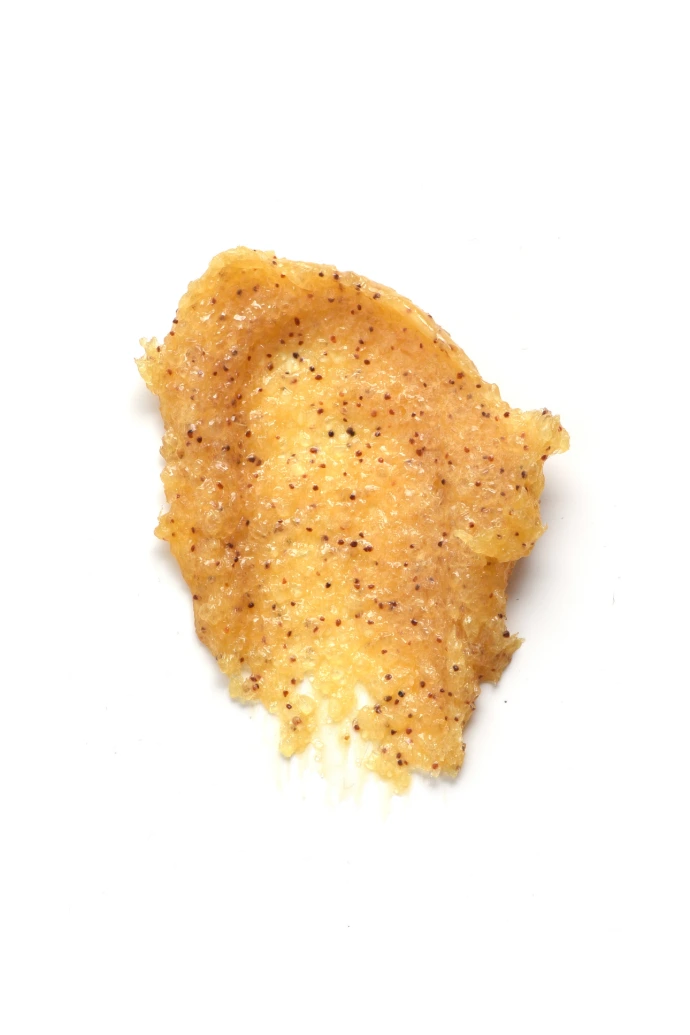
When massaged onto the skin, they create friction that helps dislodge superficial cells from the stratum corneum.
Characteristics and tolerance
Mechanical exfoliation acts mainly:
- on the surface of the skin
- through physical friction
- with an immediate effect
The intensity of this exfoliation depends on several factors:
- the size and shape of exfoliating particles
- the pressure applied during application
- the frequency of use
When friction is excessive or repeated too frequently, it may temporarily weaken the stratum corneum. For this reason, the intensity and frequency of use generally need to be adapted to the skin’s sensitivity.
Chemical exfoliation
Chemical exfoliation relies on the use of substances capable of modifying certain interactions between cells of the stratum corneum.
In cosmetics, this approach notably uses:
- alpha-hydroxy acids (AHAs) such as glycolic acid or lactic acid
- beta-hydroxy acids (BHAs) such as salicylic acid
- certain polyhydroxy acids
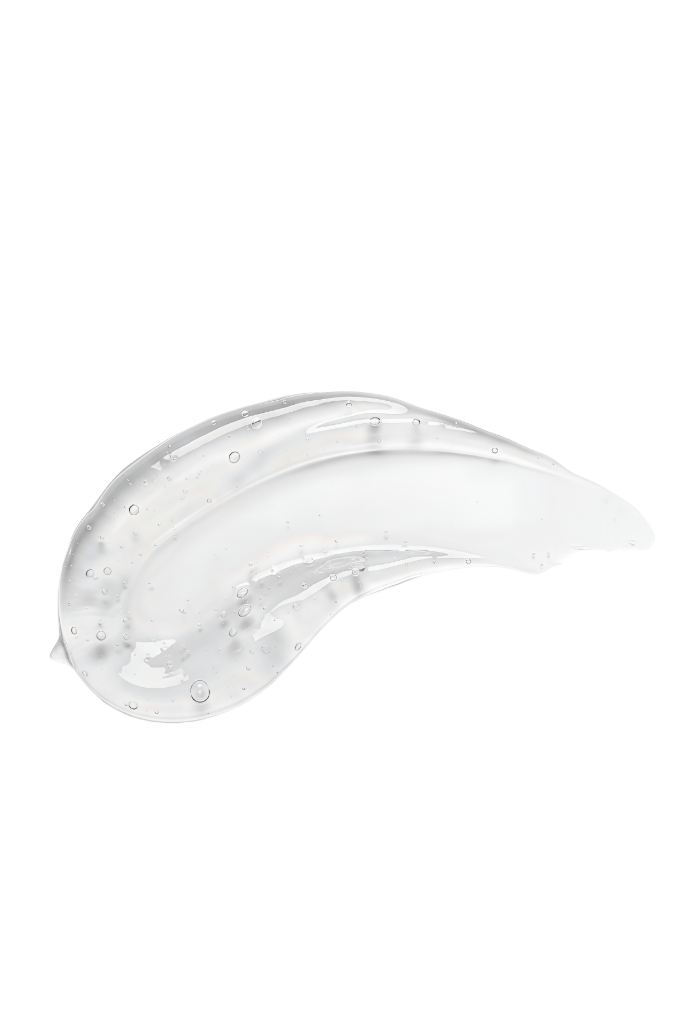
These substances may help reduce cohesion between superficial skin cells, facilitating their gradual elimination.
Mechanism and formulation parameters
The activity of chemical exfoliants depends notably on:
- the acid concentration
- the pH of the formulation
- the exposure time
These parameters influence both the intensity of exfoliation and skin tolerance. In certain situations, excessive frequency of use or high concentrations may temporarily disturb the balance of the stratum corneum (Soleymani et al., 2018).
For this reason, cosmetic formulations are generally designed to ensure a balance between efficacy and tolerance.
Enzymatic exfoliation
Enzymatic exfoliation relies on a different mechanism. It uses proteolytic enzymes, capable of acting on certain proteins involved in the cohesion of cells in the stratum corneum.
These enzymes generally belong to the protease family, which are capable of fragmenting certain proteins.
In the skin, corneocytes are held together by proteins known as corneodesmosomes. Certain enzymes may contribute to fragmenting these proteins, thereby facilitating the gradual separation of dead cells.
Enzymes used in cosmetics
Several enzymes are used in certain exfoliating formulations:
- papain, derived from papaya
- bromelain, derived from pineapple
- certain proteases obtained through biotechnological processes
These enzymes possess proteolytic activity that may facilitate desquamation at the skin surface.
Specific characteristics of enzymatic exfoliation
Enzymatic exfoliation is generally characterised by:
- the absence of mechanical friction
- targeted action on specific proteins
- a gradual exfoliation process
In certain formulations, this approach may allow for gentle exfoliation, often sought after for more sensitive skin types.
Comparison of the three approaches
Although these methods pursue a similar objective, their mechanisms differ.
Type of exfoliation |
Main mechanism |
Particularities |
|
Mechanical |
Physical abrasion |
Depends on massage and exfoliating particles |
|
Chemical |
Action of acids |
Depends on concentration and pH |
|
Enzymatic |
Action of proteolytic enzymes |
Fragmentation of specific proteins |
The choice of method generally depends on:
- skin type
- skin sensitivity
- individual preferences
The importance of balance
It is important to remember that the skin already possesses a natural mechanism of cellular renewal.
Excessively frequent or overly intense exfoliation may temporarily disturb the balance of the stratum corneum and affect the skin’s barrier function.
For this reason, observing the skin’s reactions and adjusting the frequency of exfoliation are important factors in preserving skin tolerance.
Conclusion
Mechanical, chemical and enzymatic exfoliation rely on distinct mechanisms to support the removal of dead skin cells.
- Mechanical exfoliation acts through physical abrasion.
- Chemical exfoliation relies on the action of acids that modify cellular cohesion.
- Enzymatic exfoliation uses enzymes capable of fragmenting certain proteins of the stratum corneum.
Understanding these differences allows for a more informed approach to skincare and helps adapt exfoliation practices to individual needs.
In all cases, moderation and observation of skin reactions remain essential for preserving the skin’s balance and comfort.
Scientific references
Egelrud T. (2000). Desquamation in the stratum corneum. Acta Dermato-Venereologica.
Proksch E., Brandner J.M., Jensen J.M. (2008). The skin: an indispensable barrier. Experimental Dermatology.
Soleymani, T., Lanoue, J., & Rahman, Z. (2018). A practical approach to chemical peels: A review of fundamentals and step-by-step algorithmic protocol for treatment. Journal of Clinical and Aesthetic Dermatology.